BILL KAMP IS LEAVING THE SPORT AND WILL HAVE ITEMS AND BIRDS POSTED FOR SALE.
BILL IS A MEMBER OF THE LONGVIEW KELSO RPC ALSO MT. ST. HELENS COMBINE
BILL STARTED WITH PIGEONS IN 1962 WITH BIRMINGHAM ROLLERS AND EVENTUALLY JOINING THE LKC CLUB IN 1970
BILL WAS ALSO PRESIDENT FOR WASHINGTON STATE RPO HEADING A LOT OF SHOWS IN THE WASHINGTON AND OREGON AREA.
FOR INFORMATION ON THESE ITEMS OR BIRDS GIVE BILL A CALL
CONTACT NUMBER FOR BILL- 1-360-751-0477 LONGVIEW WASHINGTON
IPIGEON CHARGES A RATE OF $80.00 FOR SHIPPING ON THE ITEMS.
BILL WILL WORK WITH THE BUYER ON THE CHARGES
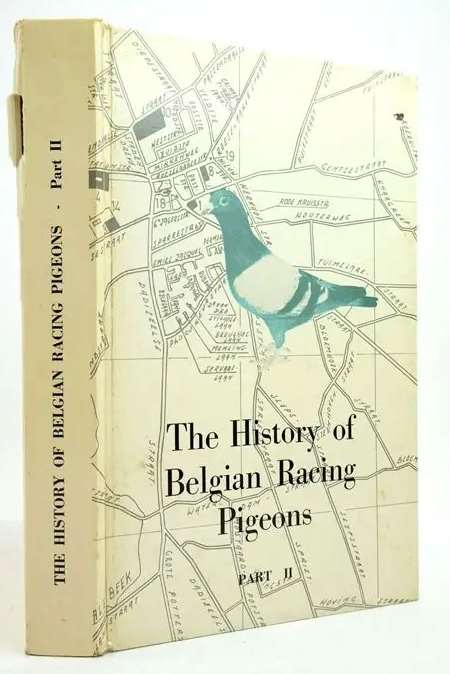
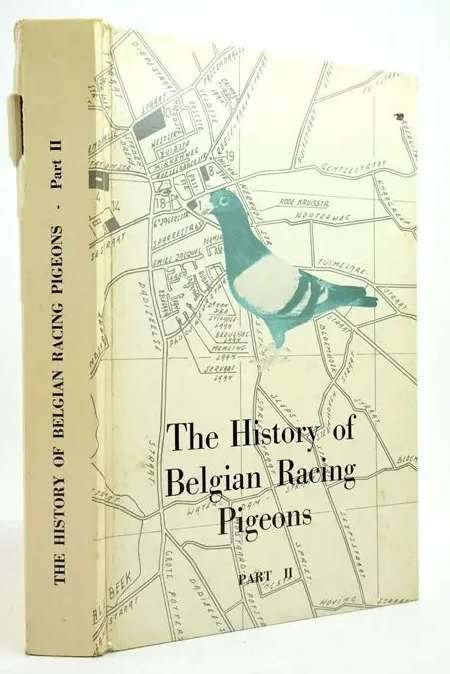
The History of Belgian Racing Pigeons – Part II
Part II of The History of Belgian Racing Pigeons by Jules Gallez (1980) documents the evolution, breeding methods, and competitive achievements of Belgian racing pigeons, with a focus on the Vereecke family’s lofts and racing legacy.
Publisher and Format
The 1980 hardcover edition, published by J. Gallez, contains 402 pages and includes black-and-white photographs Amazon. It is part of a two-part work that traces the history of Belgian racing pigeons, with Part I covering earlier developments and Part II focusing on mid-20th century practices and notable breeders.
Vereecke Family Lofts
A significant section details the lofts of Jerome and Roger Vereecke in Deerlijk, Belgium. These lofts were built in 1944, 1953, 1954, and 1975, with brick construction (double walls with air space) except for a 1957 wooden loft in the garden PIPA. Entrances faced in various directions (south, southeast, west, north, northwest), and nest boxes were typically 75 cm wide, 38 cm high, and 40 cm deep, made of pine or cottonwood.
Management and Breeding
From 1936 to 1940, Jerome Vereecke employed a full-time loft manager, Emile Deweer, a renowned widowhood man at the time. After the war, Jerome and his son Roger took over, with Jerome managing until 1974 and Richard Schatteman succeeding him in 1975 PIPA. The Vereeckes emphasized careful breeding and nutrition, using a mixture of corn (Indian Plata and Cinquentino), green peas, English peas, and ordinary pigeon feed (vetches, wheat, sunflower seed, white peas). Greens were avoided in favor of vitamins.
Breeding Methods
Roger Vereecke explained that while many good birds came from crossing, recent national winners were often the result of inbreeding distant relatives, as seen in their pedigrees PIPA. This selective breeding aimed to produce “aces” with exceptional racing ability.
Historical Context
The book’s Part II situates these practices within the broader history of Belgian pigeon racing, showing how post-war recovery, selective breeding, and specialized loft management contributed to the sport’s prestige. It also reflects the Vereeckes’ role in maintaining and advancing the sport’s standards.
If you are researching Belgian racing pigeon history, Part II is a valuable primary source for understanding mid-century breeding techniques, loft design, and the Vereecke family’s influence on the sport.